

During the patient’s perioperative care, our product ranges are part of the various ERAS protocols.
Our products are aimed at a wide range of professionals involved in ERAS protocols: surgeons, anaesthetists, nurses, nursing assistants, physiotherapists, HHCPs and patients.
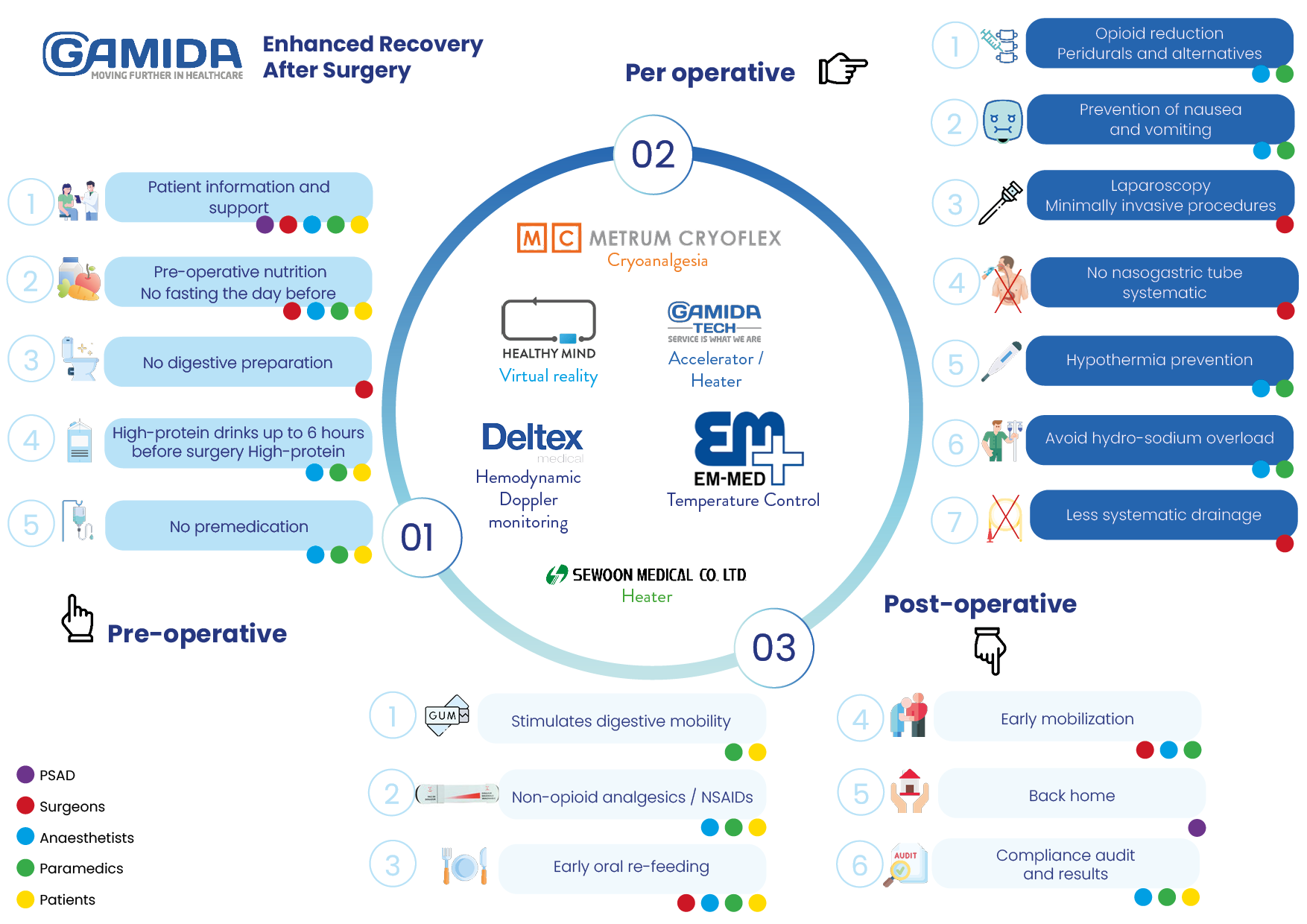
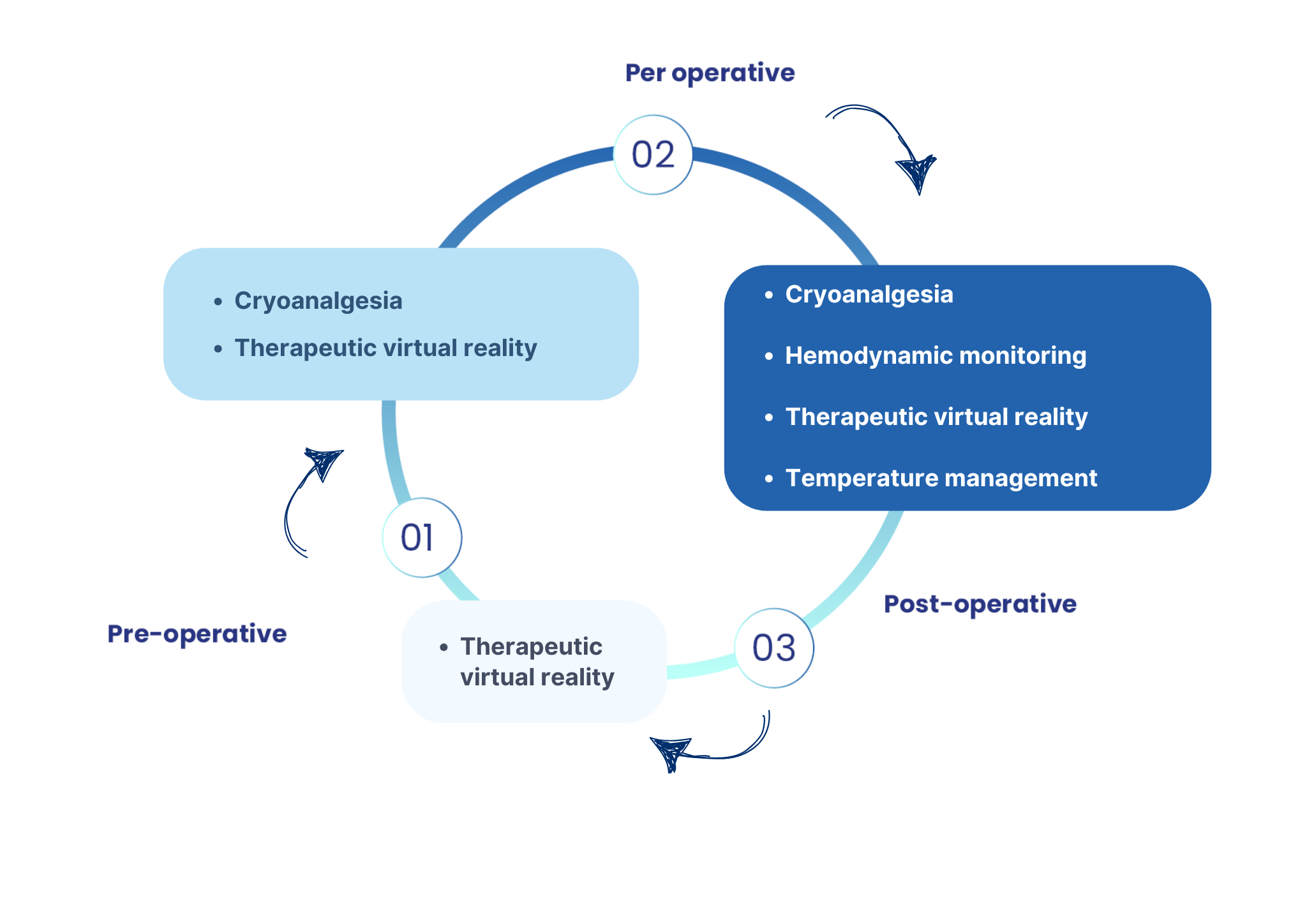
The products we offer in anaesthesia / intensive care are all part of ERAS protocols: post-surgery rehabilitation, to optimise patient management, such as:
Cryoanalgesia can be used preoperatively, under ultrasound guidance, to prevent acute postoperative pain.
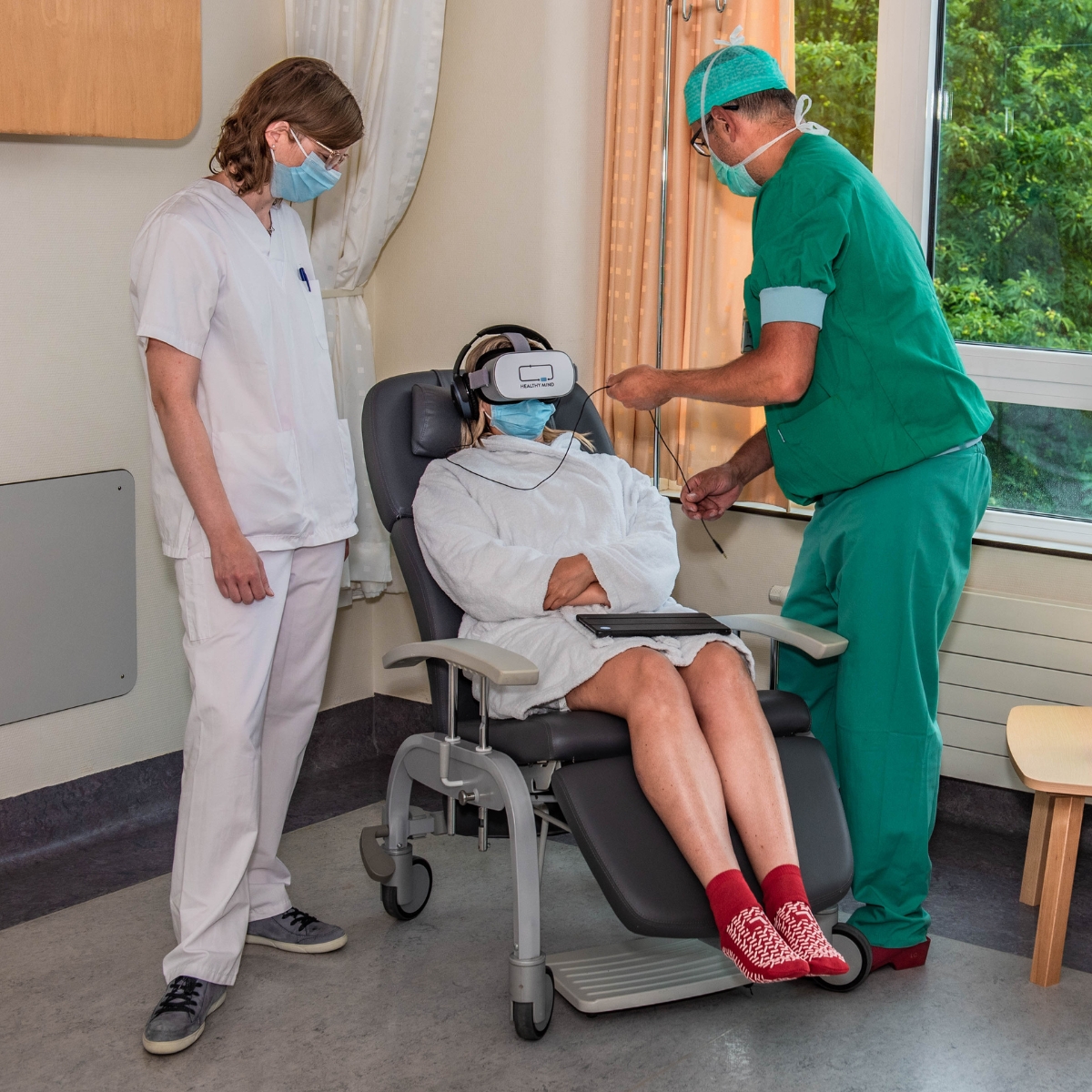
Preoperatively, our HealthyMind therapeutic virtual reality solution helps create a state of well-being in patients through hypnotic narration, music therapy, and cardiac coherence breathing exercises.
In the operating room, this therapeutic immersion helps reduce patient anxiety and limit the use of anxiolytics.
In open thoracic surgery, cryoanalgesia of the intercostal nerves is indicated to combat immediate postoperative pain.
In the operating room, the anesthesiologist uses the TrueVue monitor to ensure optimal, individualized fluid management.
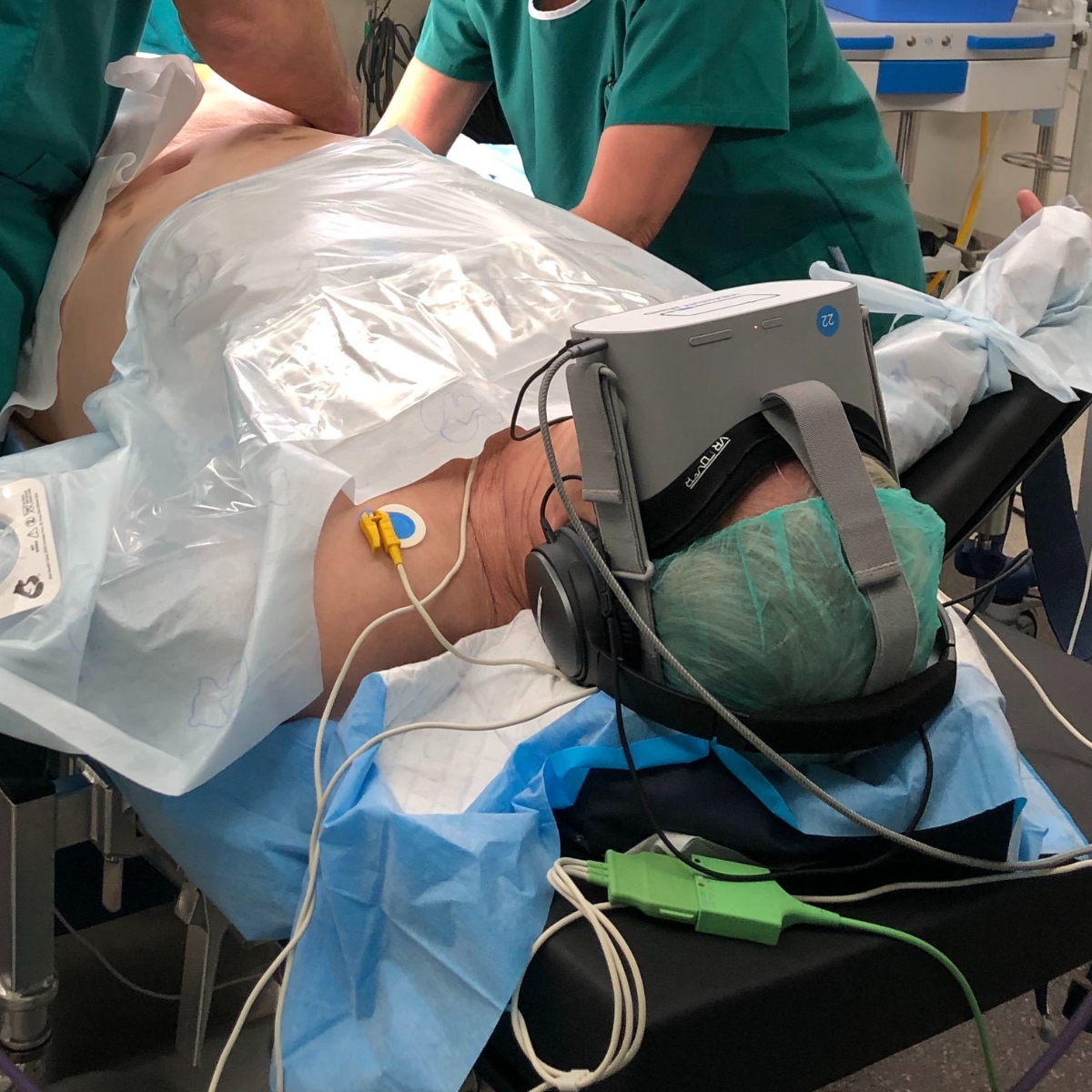
During surgery, awake patients under regional anesthesia can continue their therapeutic immersion and maintain a sense of well-being thanks to the HealthyMind therapeutic solution.
To prevent intraoperative hypothermia, several types of active warming systems are used to maintain a core temperature around 36.5°C: Sewoon’s ThermoSens®, GamidaTech’s FlowTherm®, and EM-MED’s EmTherm® line of warming cabinets.
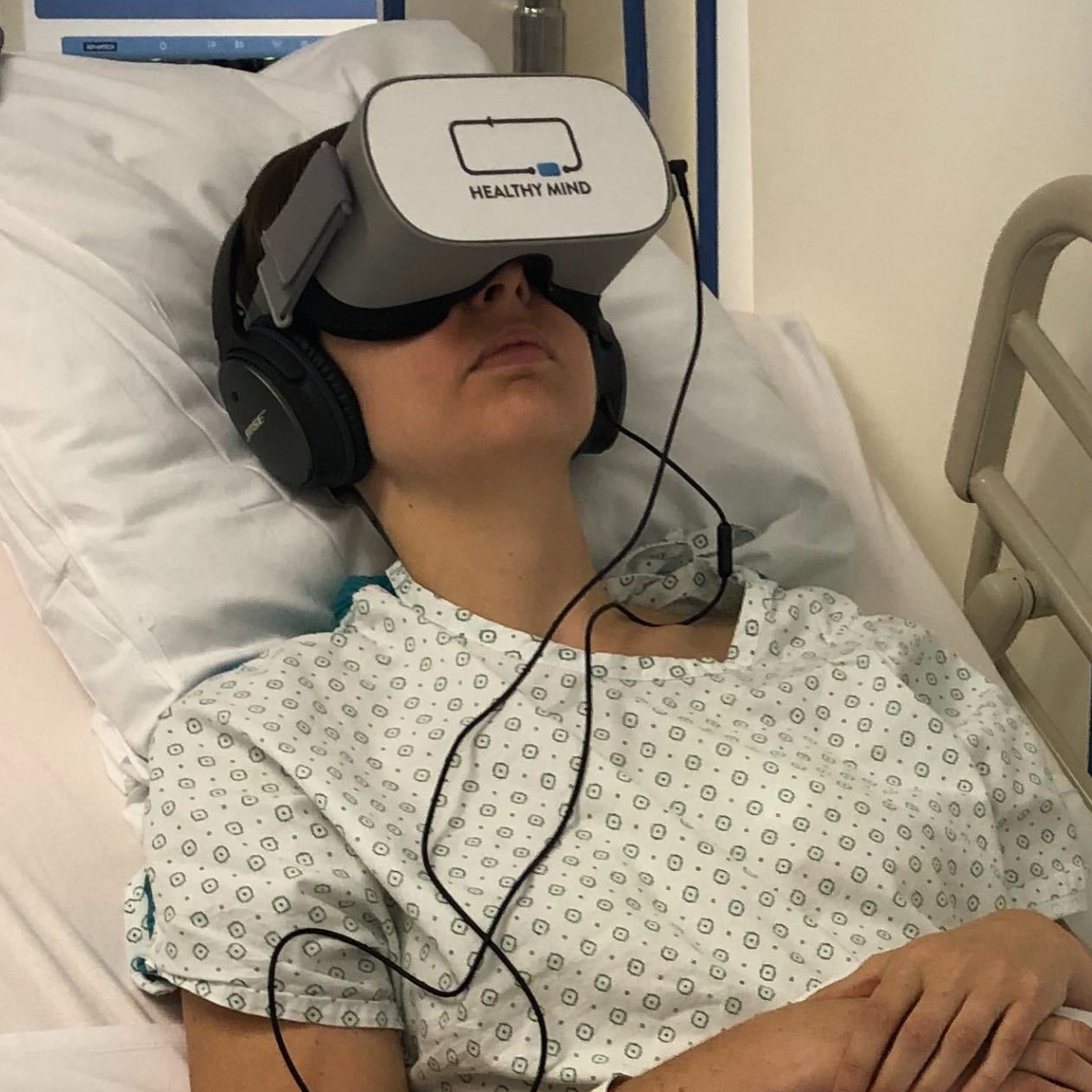
In the postoperative period, HealthyMind headsets are provided to patients to reduce pain and anxiety in the post-anesthesia care unit and the intensive care unit.
GAMIDA works alongside healthcare teams to help them prevent, treat and monitor pain, anxiety and patient comfort.
Enhanced Recovery After Surgery, known as ERAS, is a set of measures taken before, during and after surgery to ensure a faster and better quality recovery. It is indicated whenever a patient undergoes what is known as major surgery: digestive, orthopaedic, gynaecological, etc.
The results of ERAS are an improvement in recovery and the quality of post-operative care, a reduction in overall morbidity and a reduction in the length of post-operative stay. There are no contraindications to ERAS protocols, but it is necessary to adapt them when managing patients.
Source: Grace website: https://www.grace-asso.fr/grace-et-vous/rac

GAMIDA, French expertise in anaesthesia / intensive care, oncology surgery and biomedical engineering